 Nihit Shahi
Understanding Building Permits in Nepal
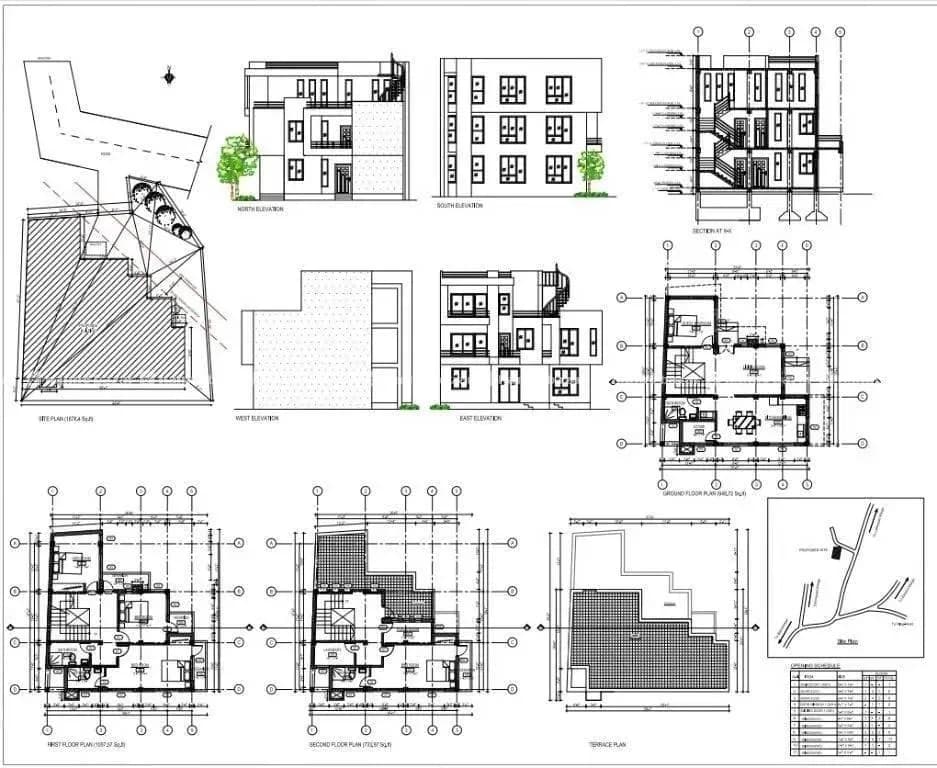
Before construction begins, understand the role of municipal approvals, drawings and supporting documents. Requirements differ by local authority and project, so use this overview to prepare questions and confirm the current process with the relevant municipality.
In Short
- You need approval from your municipality before you start building.
- There are usually several stages: building permit, inspections during construction, and a completion certificate at the end.
- Each municipality has its own bylaws on setbacks, height and ground coverage, so always check locally.
In This Article
Why permits exist
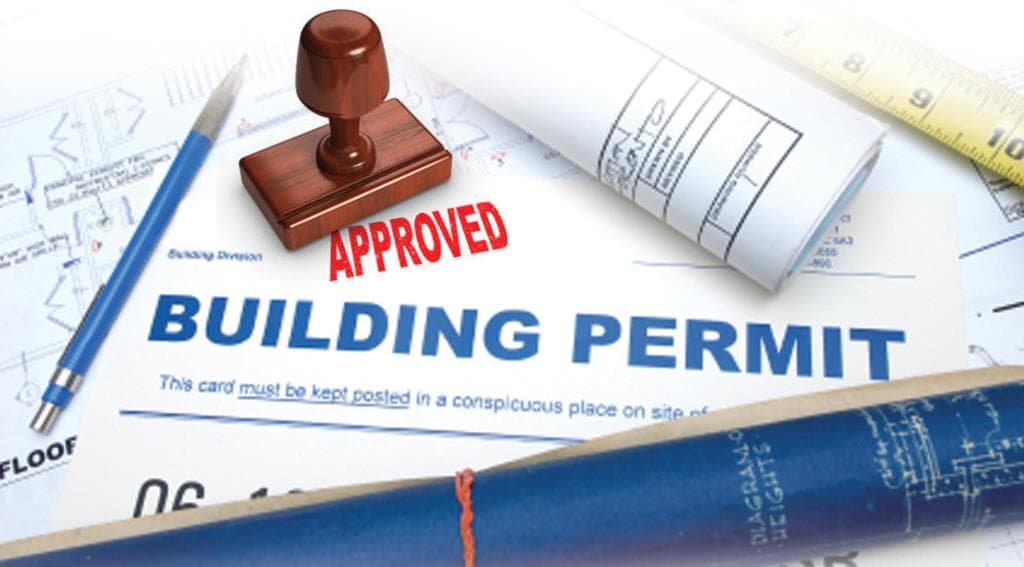
Permits are not just paperwork. They check that your house is safe, that it does not block public roads, rivers or neighbours, and that it follows the National Building Code. Skipping them can lead to fines, stop-work orders, refusal of electricity or loan, and in serious cases demolition of illegal parts.
The main approvals you should know
| Approval | What it is for |
|---|---|
| Building permit (naksha pass) | Permission to start construction based on approved drawings. |
| Inspections during construction | Many municipalities check the work at stages, often at plinth or DPC level. |
| Revision approval | Needed if you change the design or add a floor after approval. |
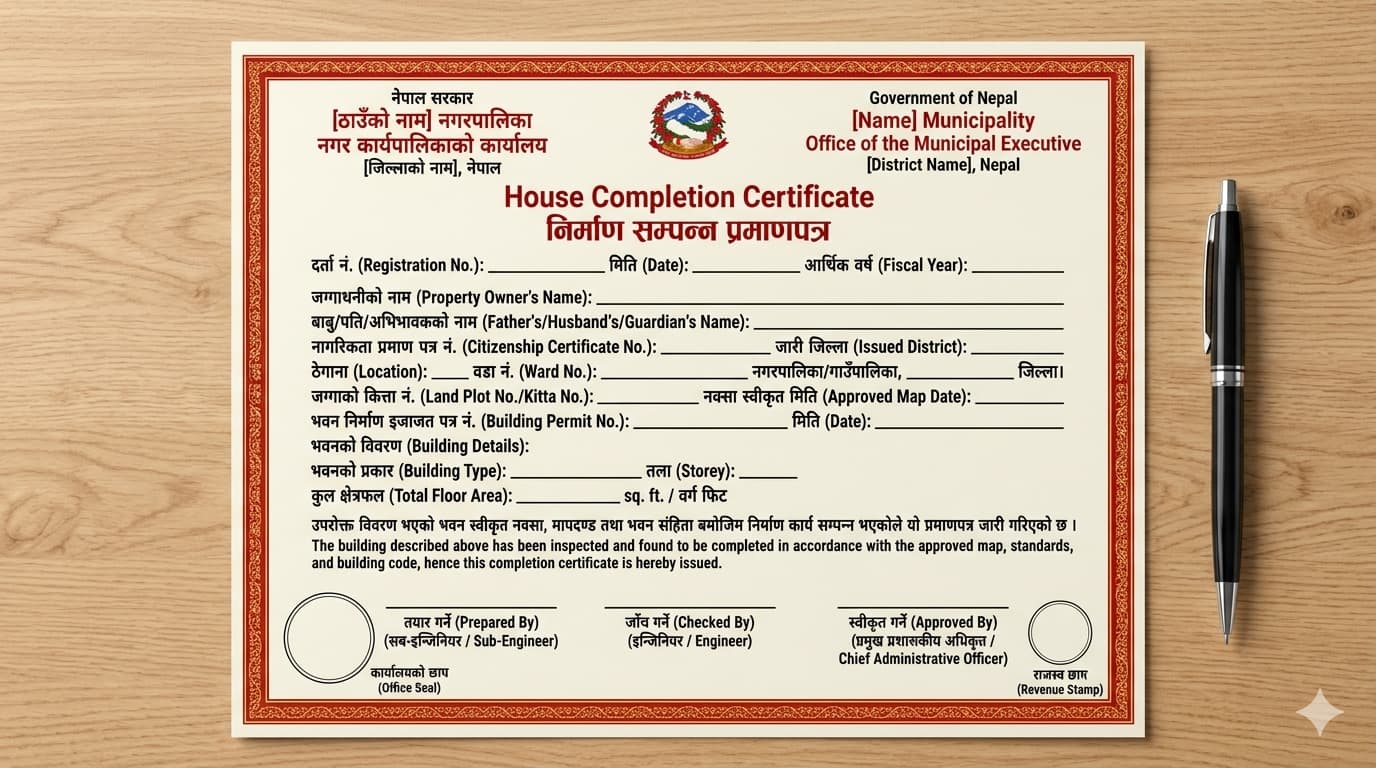
| Completion certificate | Confirms the house was built as approved and is safe to use. |
| Special zone clearance | Heritage, riverside or protected areas may need extra permission. |
Rules that decide whether your design is approved
- Setback: the minimum distance between your building and the road, boundary or river.
- Ground coverage: how much of the plot the building may cover.
- Floor area ratio (FAR): the total floor area allowed compared to plot size.
- Height limit: maximum number of floors or height allowed in your area.
- Road width and right-of-way: the road in front of your plot decides how far you must leave open.
- Structural safety: the design must follow the National Building Code.
Ask the ward first
Before your architect draws anything, ask your ward or municipality for the local bylaw limits. It can save you weeks of redrawing.
What happens if you build without permission?
The risks are real
You may face penalties, be forced to stop, and find that banks, insurers and future buyers will not accept your house. Some municipalities allow regularisation of old buildings, but it costs time and money and is not guaranteed.
For the exact step-by-step process to get your naksha passed, read our guide 'How to Get Your House Naksha Passed in Nepal'.
Need help with Building Approval & Documentation?
Assistance with municipal permits and construction documentation. Explore the service or submit a booking request for your project.
Explore Building Approval & DocumentationImportant: This article is provided for general information and educational purposes. Construction costs, municipal procedures, approval requirements, timelines and technical requirements can vary by location and project. Always confirm current requirements with the relevant local authority and consult a qualified architect, engineer or other appropriate professional where necessary.